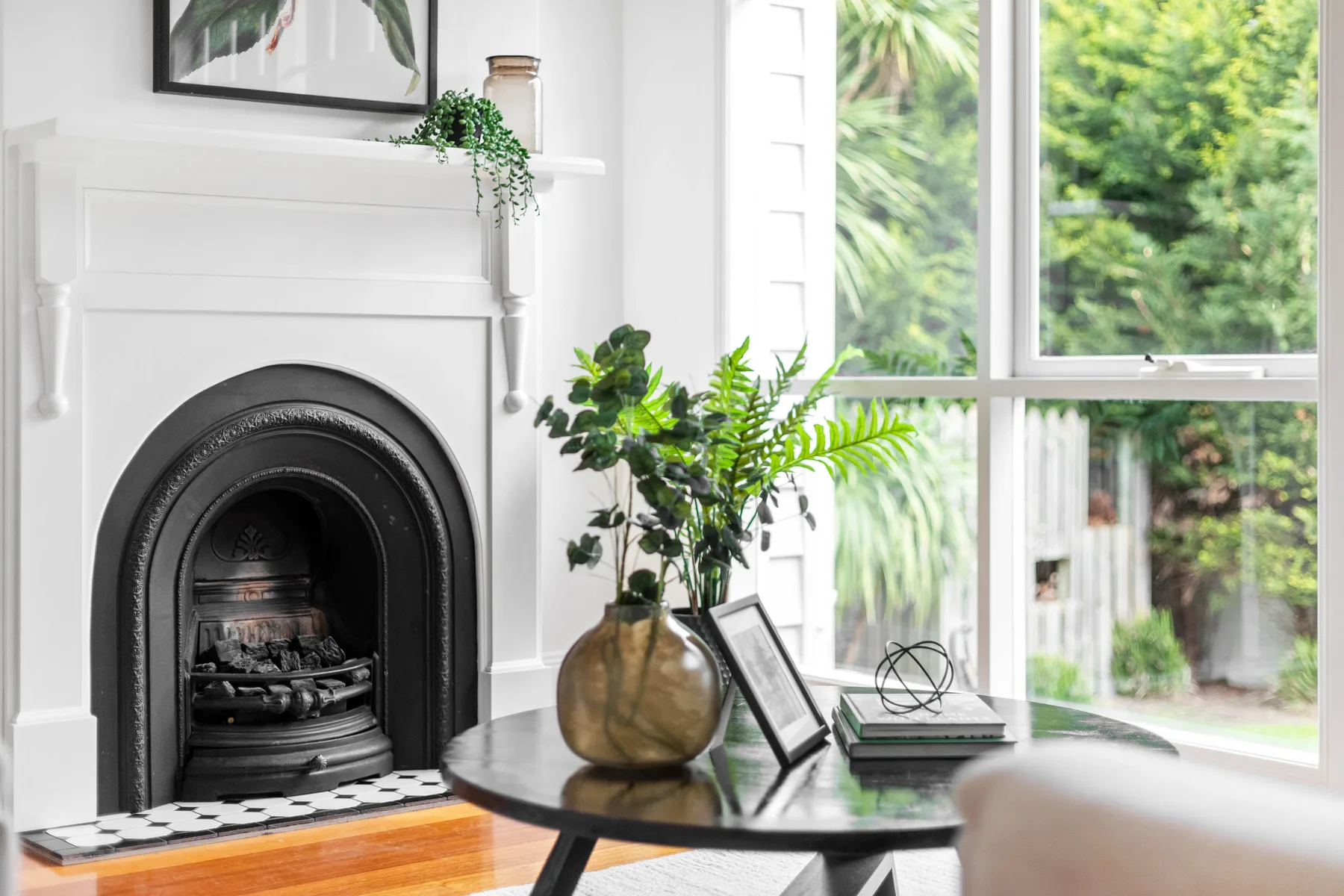
With Victoria’s new property price transparency rules now in effect, plenty of agencies are reviewing their campaign paperwork. It’s a good moment to check the pictures as well. A carefully prepared statement and a misleading hero image can tell two very different stories.
The October changes concern price information and related disclosures. The duties around truthful advertising and property photographs already exist. This isn’t a new ban on editing images; it’s a reminder to keep the finished campaign faithful to the property.
For a busy sales team, the practical question is simple: will the online impression match what your buyer encounters at the inspection? A clear brief and a short review before launch can save an awkward conversation later.
Start with what the photograph communicates
Consumer Affairs Victoria says property photographs should not give a misleading impression. Its guidance specifically addresses images enhanced to hide undesirable features, and combinations of photos and comments that wrongly suggest views or proximity to amenities.
That makes the whole presentation worth checking: the image, its caption and the surrounding copy. A lovely beach photograph beside a coastal listing needs context if it isn’t the outlook from the property. Think about what someone scrolling quickly would take away.
Give the photographer a useful brief
Before the appointment, walk through the campaign with your vendor. Which rooms are ready? Are any fixtures being removed before settlement? Is there a renovation that remains unfinished? Put the answers in the job notes so your team and photographer are working from the same information.
Our suggested approach is to separate preparation from alteration. Tidying a room before a shoot helps show it clearly. Asking an editor to make an unfinished renovation look completed changes the story. If a requested edit affects a permanent feature, condition or outlook, pause and resolve it before approving the image.
A brief doesn’t need to be long. A few specific notes beat a vague request to ‘make it look amazing’, especially when someone else in the office is handling the final upload.
Virtual furniture needs a clear explanation
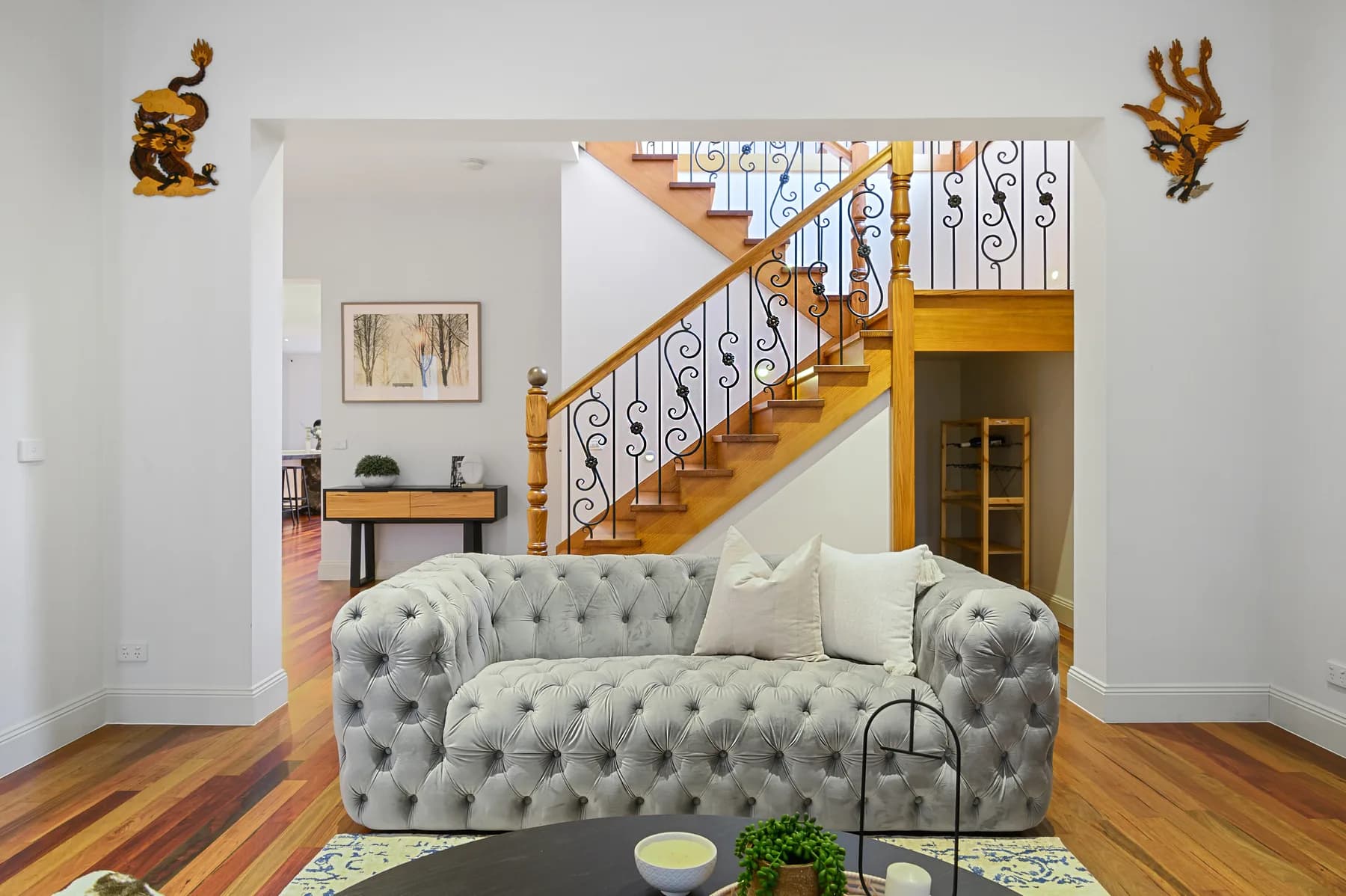
Virtual styling can help explain how an empty room might work. For your agency workflow, we suggest keeping the original photograph available alongside the styled version, using believable furniture proportions and identifying the styled image clearly wherever it appears.
Those are practical safeguards, rather than a claim that Victorian law prescribes one universal virtual-styling label. The ACCC’s guidance is broader: advertising must be truthful, and qualifications must not contradict the overall message. A small disclaimer cannot rescue an image that gives a misleading impression.
When a buyer asks whether the furniture is included, your team should have an easy answer. Keep the styling notes with the campaign brief, rather than relying on whoever happened to organise the shoot.
Keep condition questions out of the retouching queue
A request to remove a visible water stain or crack deserves a different conversation from a request to straighten a photograph. Find out what is known about the issue and refer disclosure questions to the appropriate professional.
Victoria’s prohibition on knowingly concealing a material fact when selling land has applied since 1 March 2020. Whether a fact is material depends on its significance to a purchaser’s decision or price, including facts known to matter to a particular purchaser. Not every blemish automatically meets that test.
Consumer Affairs Victoria also distinguishes presenting a property well from covering up or misrepresenting its condition. Keep the vendor’s explanation and any supporting information on file; don’t let an image-editing request become a substitute for that discussion.
Consumer Affairs Victoria: material facts and presenting a property
Do one joined-up check before launch
Here’s a useful office routine: have someone who knows the property review the photo gallery, floor plan, tour and listing copy together. Look for mismatched room names, features described differently, or an older image that no longer reflects the property. Check the mobile version too, where captions can be easier to miss.
Scandipik’s photography and iGUIDE floor plans can help you explain both the presentation and layout. Use those materials together when briefing your team and answering enquiries. A measured plan adds useful context, but it doesn’t certify building approvals, permitted use or the accuracy of every marketing claim.
Finally, keep the approved image set and a note of who signed it off. If something changes, update every channel using that asset, including scheduled social posts. It’s a manageable habit that helps your campaign feel consistent from the first click to the first inspection.
Disclaimer: This article provides general information only and does not constitute legal, financial, property or other professional advice. While we aim to keep information accurate, we do not guarantee its accuracy, completeness or currency. Laws and market conditions may change. You should independently verify information and seek advice from a suitably qualified professional before acting on it.